Introduction

The year 2019 was the most exciting and busiest year in the nearly 11 years of our existence. We would like to thank everyone who worked with us or recommended us. Thanks for your trust!

Our open-source rendering framework, The Forge Framework, is now used in several AAA custom game engines, and we currently use it as the foundation to build a cross-platform game engine for one of our customers.

We had 18 releases in 2019, and we have an active Twitter channel with more than 680 followers, more than 1500 likes on GitHub, and 152 forks. We will have a user meeting at GDC again, and the number of schools that use this framework for teaching is increasing.

With such a success story, we decided to start a company around that framework named The Forge Interactive. We also worked on a new website for this company: theforge.dev

You will see lots of cool things coming out of this company in 2020 :-)

We've never ever worked on as many projects as in 2019, with such a wide range of different topics before.

Amazon | Robotics Gazebo

We worked on several robotics projects during the year. The first one was developing several reference scenes for simulating robots with the game engine Gazebo. We had a team consisting of four people, and the project took more than 2 months. The test scenes were a racing track, a bookstore, and a sparse object room.

Amazon | DeepRacer

Amazon developed a robot called DeepRacer that is used for races where this type of vehicle needs to find the fastest way around a racing track. To simulate that scenario, we developed a 3D model of the car and used it in the game engine Gazebo to train its AI to drive around racing tracks as fast as possible. This project involved two people over more than 2 months.

Explore Amazon's Deep Racer Robot

Amazon | Warehouse Scene

To train an AI, we also developed an Amazon warehouse scene so that a robot can drive through it in the Gazebo game engine. This took 3 people more than 2 months.

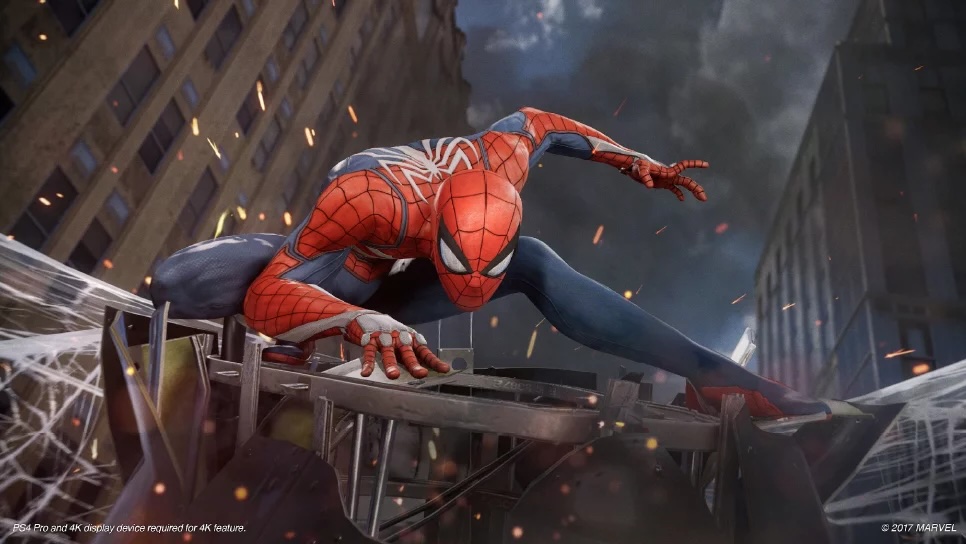
Insomniac Volumetric Clouds &
PS4 Game Engine Optimizations

We continued our great relationship with Insomniac and developed a custom skydome system based on Ephemeris over more than six months for the game Stormland.

In the same time frame we also optimized the PS4 game engine that was used for Spiderman.

Google Stadia | Secret Project

We have been helping in the development of tools for Google Stadia.

Facebook Technologies & Oculus Quest | RenderDoc Extension & VK Validation Layer Support

We extended RenderDoc’s UI to add tile-based profiler information for the Oculus Quest and added Quest Support to the Vulkan Validation layers. This took two people more than three months.

Google Stadia | Keyboard

We developed the virtual keyboard for Google Stadia. Two people were involved in this project for more than 14 weeks.

Google Stadia | Vulkan Driver & Shader Compiler Tests

We ported the Sascha Willems GitHub repository to Google Stadia and then converted the shaders to HLSL so that they could be translated through DXC to find out how reliable DXC is. This took more than 15 weeks for three people.

Qualcomm | VR Compositor

For more than ten years, we have worked with Qualcomm, and this year was no exception.
Qualcomm provides a VR SDK to all its hardware partners.

We are currently rewriting the compositor, providing a native Android (remote) service for compositing XR graphics layers following OpenXR. So far, one person has worked on this project for 17 weeks.


UE4 Showdown Demo for Quest

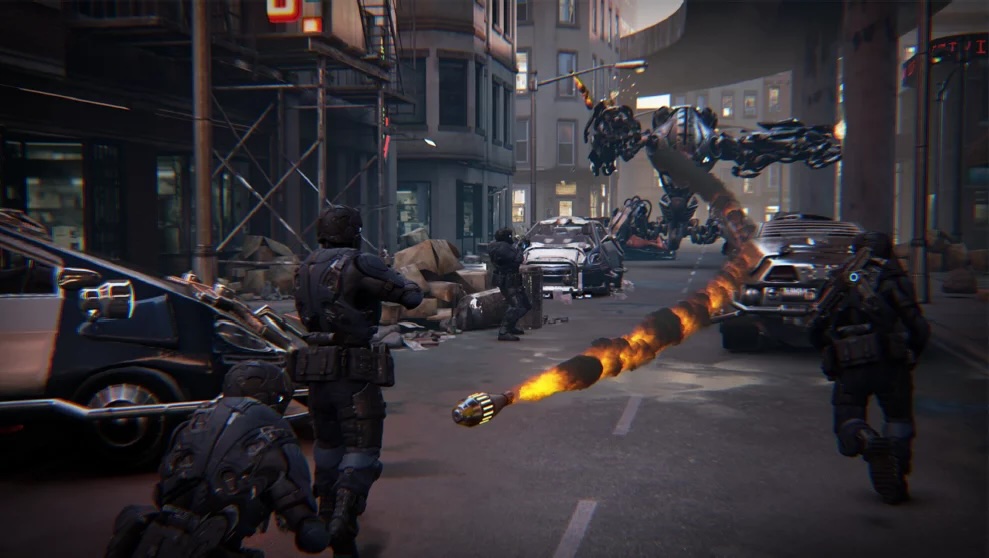
We are making the Unreal Engine 4 Showdown Demo run smoothly on the Oculus Quest for Facebook Technologies. This project took two programmers three months.

Unannounced Projects

Many of our unannounced projects can’t make it into a retrospective like this. You guys know who you are!

Thanks for working with us.